Soap Labeling Requirements: What to Put on Your Label
The difference between true soap and cosmetics in the US, and what each label usually needs.
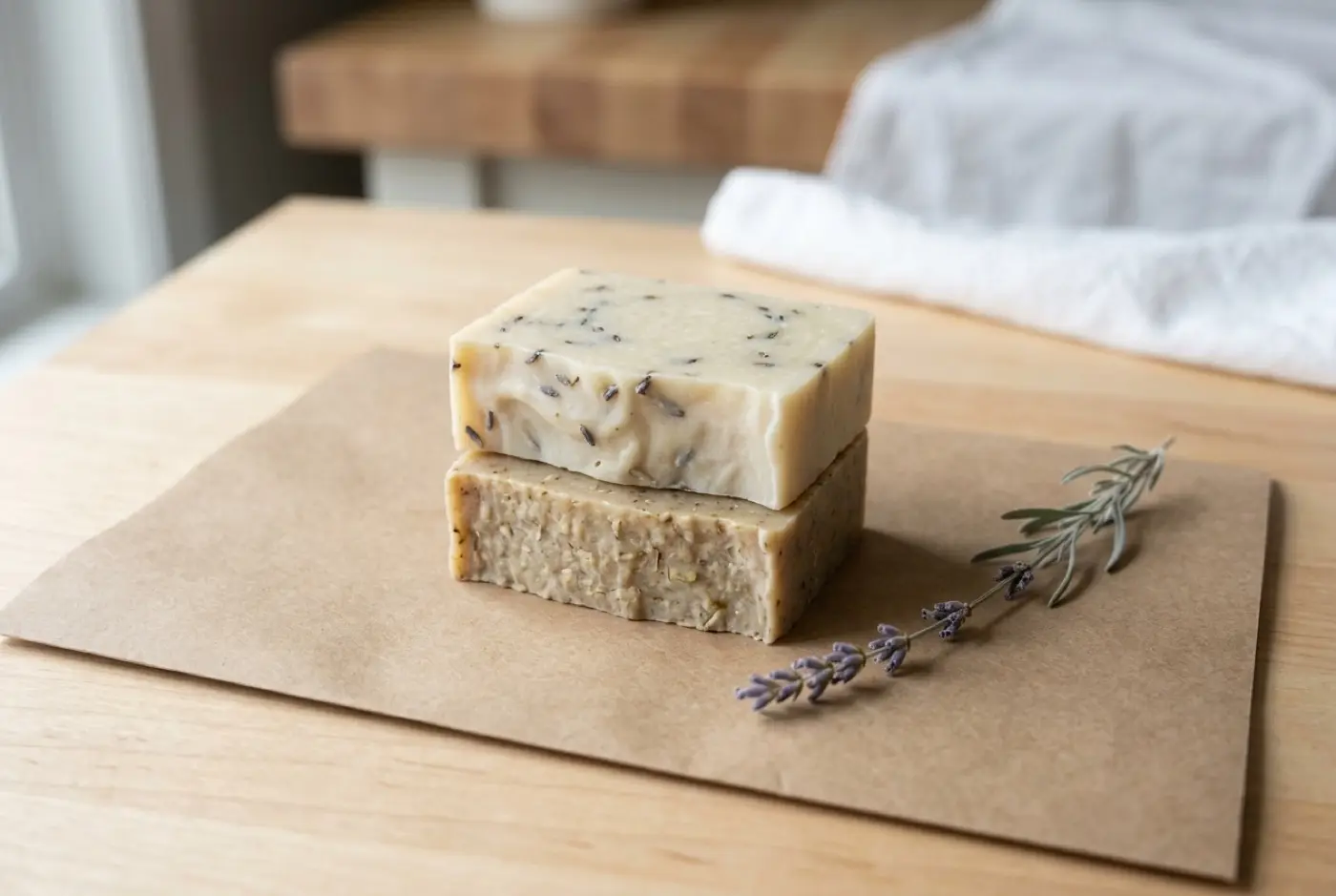
Soap labeling requirements in the US depend less on the ingredients and more on what you claim the product does.
True soap or cosmetic?
The FDA treats a product as true soap when it’s made mostly of the alkali salts of fatty acids (what lye and oils make) and is sold only for cleaning. True soap is regulated by the Consumer Product Safety Commission, not the FDA.
Say it moisturizes, deodorizes or smells like a spa day, and it’s likely a cosmetic, with FDA labeling rules. Say it treats acne or eczema, and it’s a drug.
What labels commonly include
Label checklist
Watch your claims
Describe scent and feel, not results on skin conditions. “Made with oatmeal” is a description; “soothes eczema” is a drug claim.
FAQ
Does handmade soap need an ingredient list?
In the US, true soap isn't required by the FDA to list ingredients, but cosmetics are. Many makers list them anyway because customers expect it.
Do I need a barcode?
Not by law. Many shops and wholesale buyers require a UPC, so get one when you start selling through retailers.
Can I say my soap helps with eczema?
Not without being regulated as a drug. Claims to treat or prevent a condition make a product a drug under US law.

Comments
No comments yet. Made this recipe? Be the first to say how it went.