Insecticidal Soap Recipe (Castile Soap Garden Spray)
A dilute spray of true liquid soap in water for soft-bodied garden pests, with the leaf test and timing that keep plants from scorching.
- Yield
- 1 L spray
- Method
- No lye
- Difficulty
- Beginner
- Cure
- Ready in 5 minutes
On this page
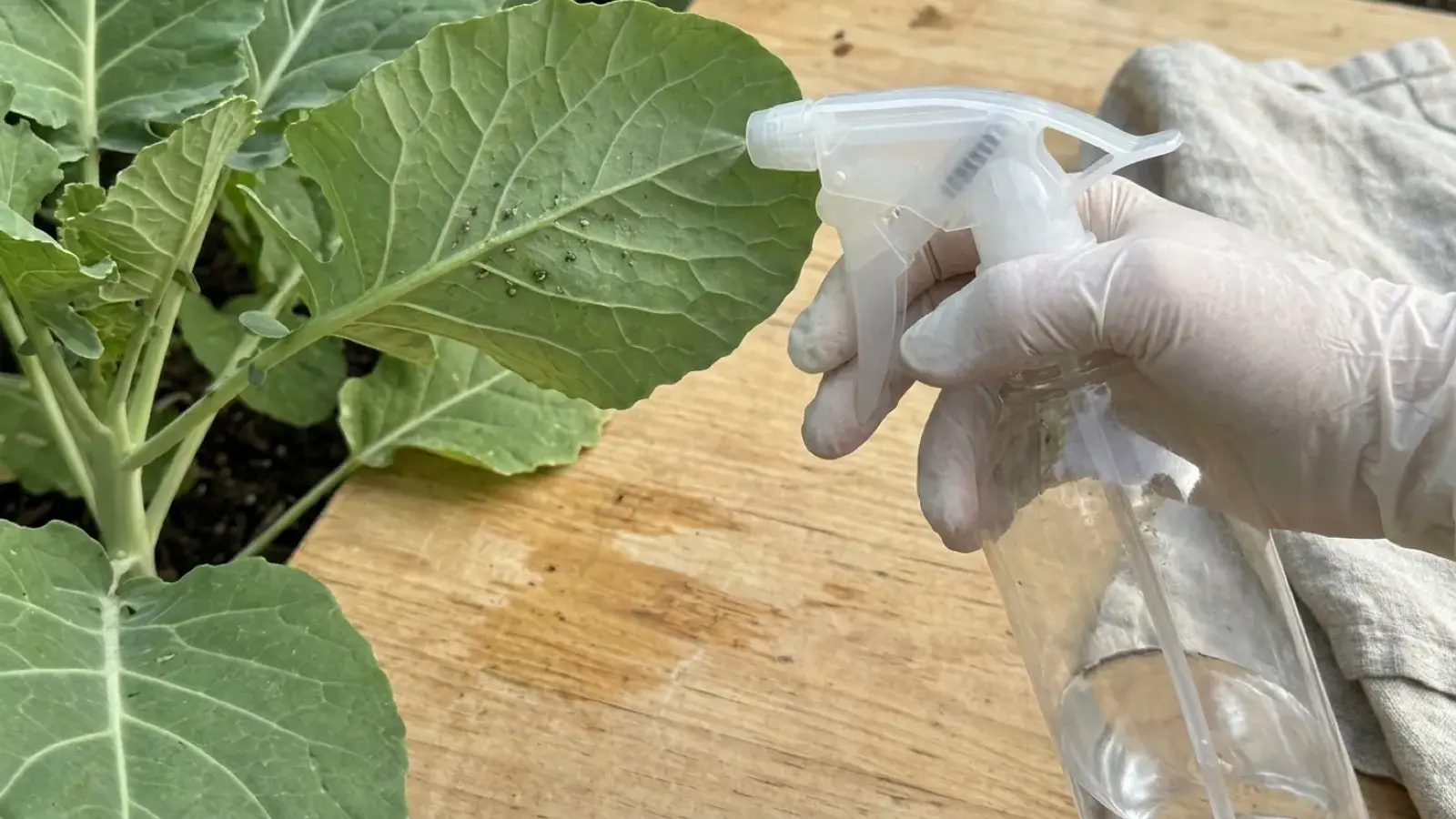
This insecticidal soap recipe is about 10–20 mL of unscented liquid castile soap per liter of soft water, sprayed directly onto soft-bodied pests like aphids, whiteflies and spider mites. It works only while wet and only on the insects it touches, which is why careful spraying matters far more than a stronger mix.
The single most important rule is that it has to be real soap. Most dish liquids are detergents, not soap, and they’re a common reason homemade garden sprays scorch leaves. Liquid castile, or a plain potassium hydroxide liquid soap you made yourself, is the right ingredient.
The other rules are about protecting the plant: test a few leaves first, spray in the cool part of the day, and rinse the plant with plain water a few hours later.
What it is and isn’t
Soap sprays are a long-standing, common garden practice for soft-bodied insects. They don’t protect plants once dry, they won’t work on pests the spray doesn’t reach, and they can harm sensitive plants. Follow any product label or local extension advice for your area, and treat the steps here as the careful minimum.
Why this recipe works
- True soap, not detergent. Insecticidal soap works because of the soap itself: the salts of fatty acids. Dish liquids and hand soaps are mostly synthetic detergents and often carry fragrance, degreasers or other additives that are more likely to damage leaves.
- About 1–2%. Roughly 10–20 mL of liquid castile per liter of water. Commercial insecticidal soaps are typically used in this range. More soap is not more effective, it is more likely to burn leaves.
- Soft water. Minerals in hard water react with soap and tie it up as scum. Distilled or rainwater keeps the soap in solution.
- Unscented. Essential oils add nothing here and can make leaf damage more likely. Leave them out.
Ingredients
- 1 L (about 4 cups)
- Water, soft (distilled or rainwater) · Hard tap water reduces how well the soap works
- 10–20 mL (2–4 tsp)
- True liquid soap (liquid castile), unscented · Start at the low end; not dish detergent
Instructions
Step 1: Mix a fresh batch
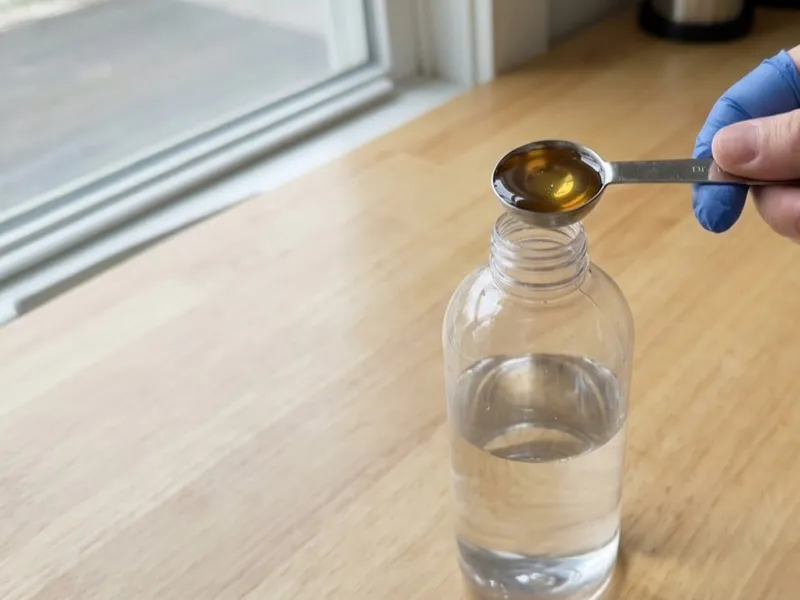
Pour the water into a clean spray bottle first, then add the liquid castile. Start with 10 mL per liter. Close the bottle and tip it gently a few times to mix. Shaking hard fills the bottle with foam. Mix only what you'll use today; the solution doesn't keep well.
Step 2: Test on a few leaves first
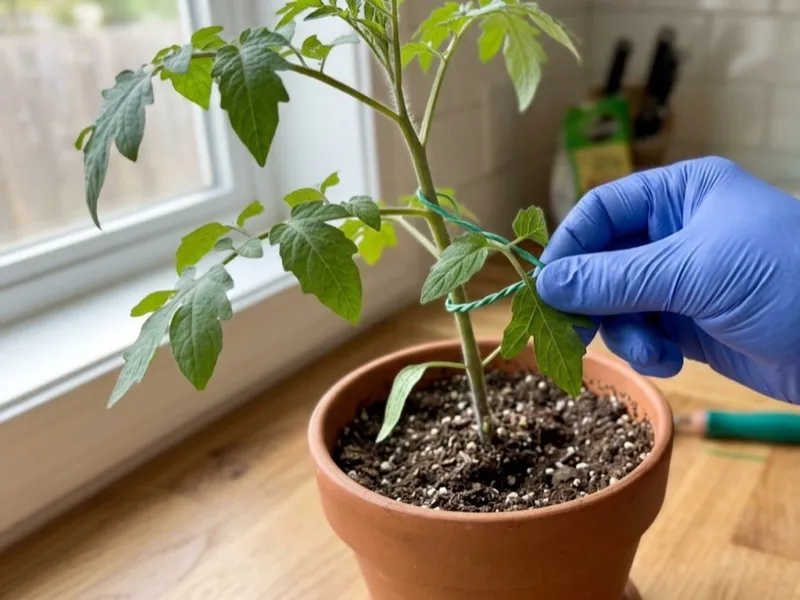
Spray a few leaves on each plant you want to treat and wait 24–48 hours. Look for brown spots, yellowing, curled or translucent patches. Some plants are sensitive to soap sprays, so test every kind of plant, not just one.
Step 3: Spray in the cool part of the day
Spray in early morning or evening, when it's below about 90°F (32°C) and the plants are out of direct sun. Soap on leaves in hot sun is the most common cause of scorched foliage. Avoid spraying drought-stressed plants; water them the day before.
Step 4: Wet the pests directly
Soap sprays only work on contact while wet, so aim at the insects themselves, including the undersides of leaves and new growth where aphids cluster. Spray until the pests are wet, not until the plant drips. Avoid spraying open flowers or when bees are active.
Step 5: Rinse a few hours later
After a few hours, rinse the plant with plain water from a hose or watering can. This removes leftover soap residue, which reduces the chance of leaf damage. Always rinse edible plants well before harvesting and eating.
Step 6: Repeat only if needed
Because soap has no lasting effect once it dries, a few applications several days apart may be needed for new pests. Check plants before each spray and stop if you see any leaf damage.
Variations
Homemade liquid soap
Our from-scratch liquid hand soap works, left unscented and without added glycerin. It is already diluted, so start at about 20 mL per liter and test as above.
Bar soap shavings
Dissolve about 10 g of finely grated plain, unscented true soap bar in 1 L of hot soft water, then cool before spraying. It can clog nozzles; strain it first.
Larger sprayer
For a pump sprayer, keep the same ratio: 10–20 mL of liquid castile per liter. Rinse the sprayer with clean water after each use.
If something goes wrong
- Leaves scorched or spotted
- Too strong, too hot, or a sensitive plant. Dilute toward 1%, spray only in cool hours, rinse sooner, and skip that plant next time.
- Cloudy spray with scum
- Hard water. Use distilled or collected rainwater instead of tap.
- Pests came back
- Soap only works on contact while wet. New insects or eggs that hatch later need another spray; check undersides of leaves.
FAQ
Can I use dish soap for insecticidal soap?
Not recommended. Most dish liquids are synthetic detergents with degreasers and fragrance, not true soap, and they're more likely to damage plants. Use plain liquid castile or another true liquid soap.
How much castile soap per liter of water for plants?
About 10–20 mL per liter, which is roughly a 1–2% solution. Start at 10 mL and test on a few leaves before spraying a whole plant.
When should I spray insecticidal soap?
Early morning or evening, in temperatures below about 90°F (32°C), out of direct sun. Avoid times when bees are visiting flowers.
Is insecticidal soap safe for vegetables?
Soap sprays are commonly used in vegetable gardens. Rinse plants a few hours after spraying and wash produce well before eating.
Does soap spray kill all garden pests?
No. It's used against soft-bodied insects such as aphids, whiteflies and spider mites, and only on contact. It won't affect pests that it doesn't wet.
Comments
No comments yet. Made this recipe? Be the first to say how it went.