Soap Shelf Life and Dreaded Orange Spots (DOS): Causes and Prevention
Dreaded orange spots in soap are patches of rancid, unsaponified oil. Here's what causes DOS, how long homemade soap lasts, and how to formulate and store bars to prevent it.
On this page
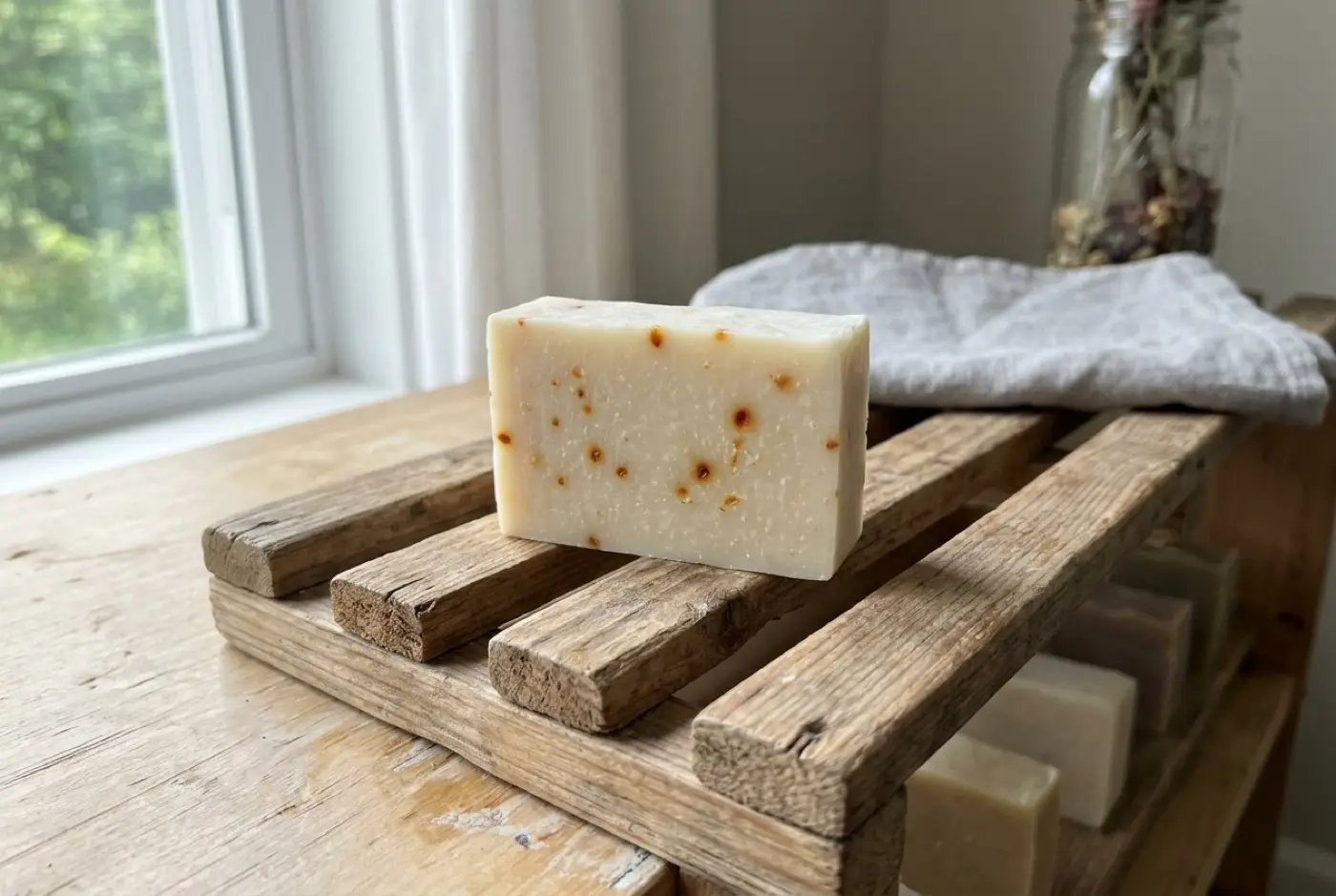
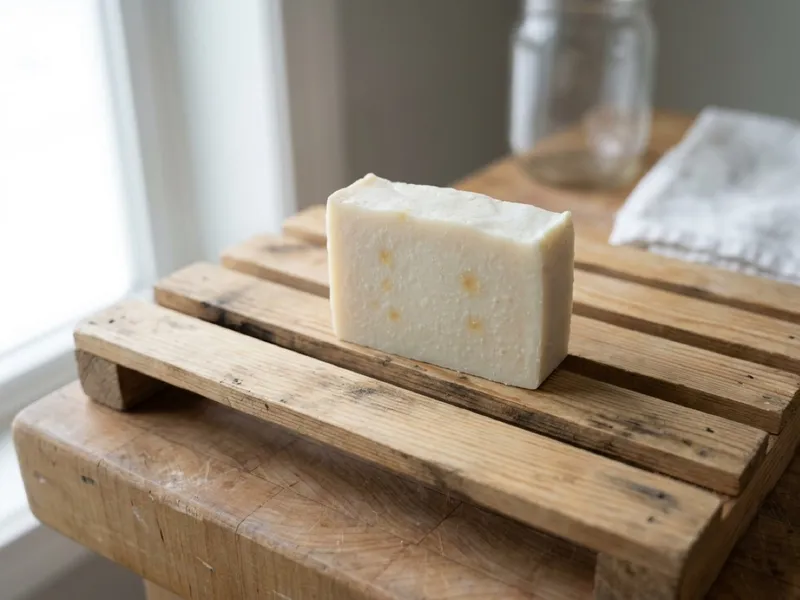
Dreaded orange spots (DOS) are small orange or yellow-brown patches that show up on soap weeks or months after it’s made. They’re oils going rancid: some of the unsaponified oil left in the bar (the superfat and any oils that didn’t react) oxidizes, changes color and gives off a stale, crayon-like smell. DOS is the main thing that limits how long homemade soap lasts.
The good news is that DOS is mostly preventable. It has a short list of known risk factors, and nearly all of them are in your control at the recipe or storage stage.
What DOS looks like (and what it isn’t)
Typical DOS:
- Round orange, yellow or tan spots, often a few millimeters across, appearing on the surface or just under it
- Sometimes a bloom of spots in one area, such as where the bar touched a shelf
- A faint stale, oily or crayon-like smell, stronger on older bars
- Usually appears after cure, sometimes months later
Things that look similar but aren’t DOS:
- Even tan or brown all over a vanilla-scented bar: that’s vanillin discoloration from the fragrance. See fragrance oils vs essential oils.
- Speckles from a colorant like turmeric, annatto or paprika that wasn’t fully dispersed.
- Orange or dark center in a milk soap from overheating sugars during saponification. That appears on cut day, not months later.
- White powder on the surface: soda ash.
Why it happens
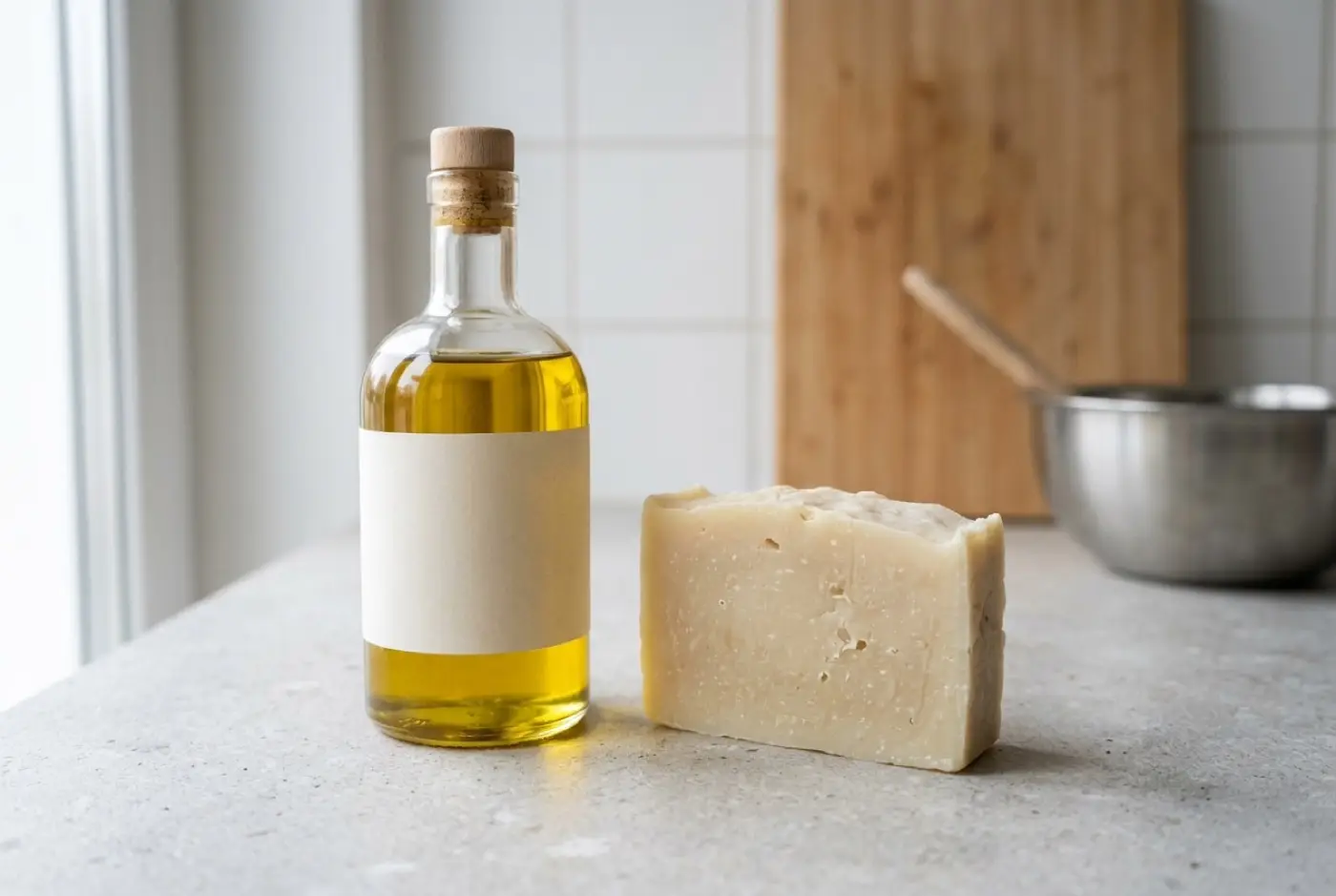
Soap is mostly saponified oil, which is stable. The part that isn’t is the leftover free oil: your superfat, plus anything unreacted. Like oil in a bottle, it can oxidize over time. Unsaturated fatty acids, especially linoleic and linolenic, oxidize much more readily than saturated ones. Oxidation is sped up by trace metals, light, heat, water and age.
So DOS risk is roughly: how much free oil there is × how oxidation-prone that oil is × how much the conditions encourage oxidation.
Risk factors and what to do about each
| Risk factor | Why it matters | What to do |
|---|---|---|
| High linoleic and linolenic oils (sunflower, grapeseed, hemp, soybean, safflower) | These fatty acids oxidize easily | Keep the combined linoleic and linolenic share of the recipe low; many makers aim for around 15% or less |
| Old or poorly stored oils | Oxidation may have started before you soaped | Buy fresh, store cool and dark, smell before use |
| High superfat | More free oil to go rancid | Use around 5% for everyday bars; reserve high superfats for recipes that need them |
| Humidity and poor airflow | Moisture encourages oxidation and spotting | Cure and store in a dry, ventilated space |
| Contact with metal | Trace metals like iron and copper speed oxidation | Don’t cure on rusty or bare metal racks; avoid reactive pots and utensils |
| Hard or tap water with minerals | Dissolved metals can play the same role | Use distilled water; consider a chelator |
| Light and heat | Both speed oxidation | Store out of direct sun and away from heaters |
| Wrapping bars before they’re cured | Traps moisture against the soap | Wait until bars stop losing weight before wrapping |
| Some fresh additives | Plant material and purees can spot or spoil | Keep amounts small; see soap additives |
Not every batch with one of these factors will spot, and some bars spot with none of them obvious. DOS is a probability game. Each fix lowers the odds.
Formulating to prevent DOS
Watch the unsaturated oils. Most lye calculators show a fatty acid profile for the recipe. Check the combined linoleic and linolenic numbers. Olive oil, lard, tallow, coconut, palm, shea and cocoa butter are all relatively low in these and have good track records. Sunflower, grapeseed, hemp and soybean are high; use them as small accents rather than base oils. See best oils for soap making for a full table.
Keep superfat sensible. Around 5% is plenty for most bars. Going to 8% or more adds very little you can feel but gives oxidation more to work with. Salt bars and 100% coconut bars need high superfats, so be extra careful with oil freshness and storage there. See superfat.
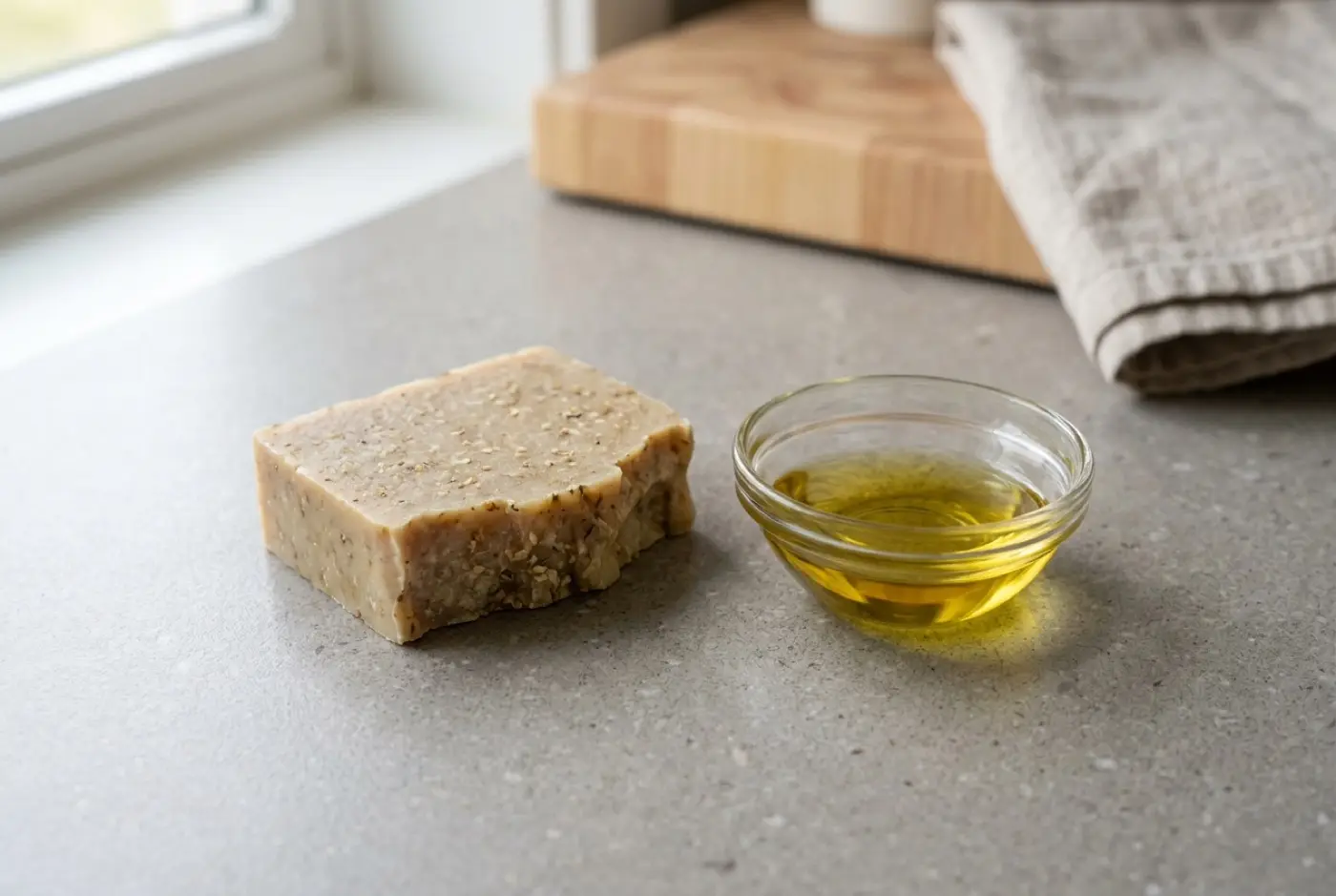
Protect oils with an antioxidant. Many makers add rosemary oleoresin extract (ROE) to liquid oils, especially high-linoleic ones, when the bottle is first opened, at the rate the supplier recommends. It helps slow oxidation of the oil in storage and may extend the life of the free oil in the bar. It’s a helper, not a guarantee. Vitamin E is also an antioxidant, but it’s not a reliable DOS preventer on its own.
Add a chelator if your water or ingredients carry metals. Sodium citrate or tetrasodium EDTA bind trace metals. Many makers report fewer DOS problems after adding one. Follow the supplier’s rate. Citric acid also chelates but consumes lye, so recalculate if you use it.
Use distilled water. It’s cheap and removes one variable.
Storage: how long homemade soap lasts
Shelf life depends on the recipe and on storage, so there isn’t one number. These are reasonable expectations for cold process bars stored well:
| Bar type | Usable as soap | Best scent and color |
|---|---|---|
| Hard-fat bars (lard, tallow, palm, coconut, olive), 5% superfat | Commonly several years | Within about a year |
| Castile (100% olive) | Commonly several years; improves for the first months | Within about a year or two |
| Bars with more than about 15% high-linoleic oils | May spot or smell off within a year | Within months |
| Milk, honey and puree bars | Generally a year or more | Within about a year |
| Salt bars and 100% coconut (high superfat) | Often a year or more with fresh oils | Within about a year |
| Melt and pour (commercial base) | Per the base supplier’s guidance | Within about a year |
Scent fades sooner than the soap itself, especially citrus and other top notes. For selling, many makers set a “best by” date of about a year from making. That’s a quality date, not a safety cutoff.
To store cured bars well:
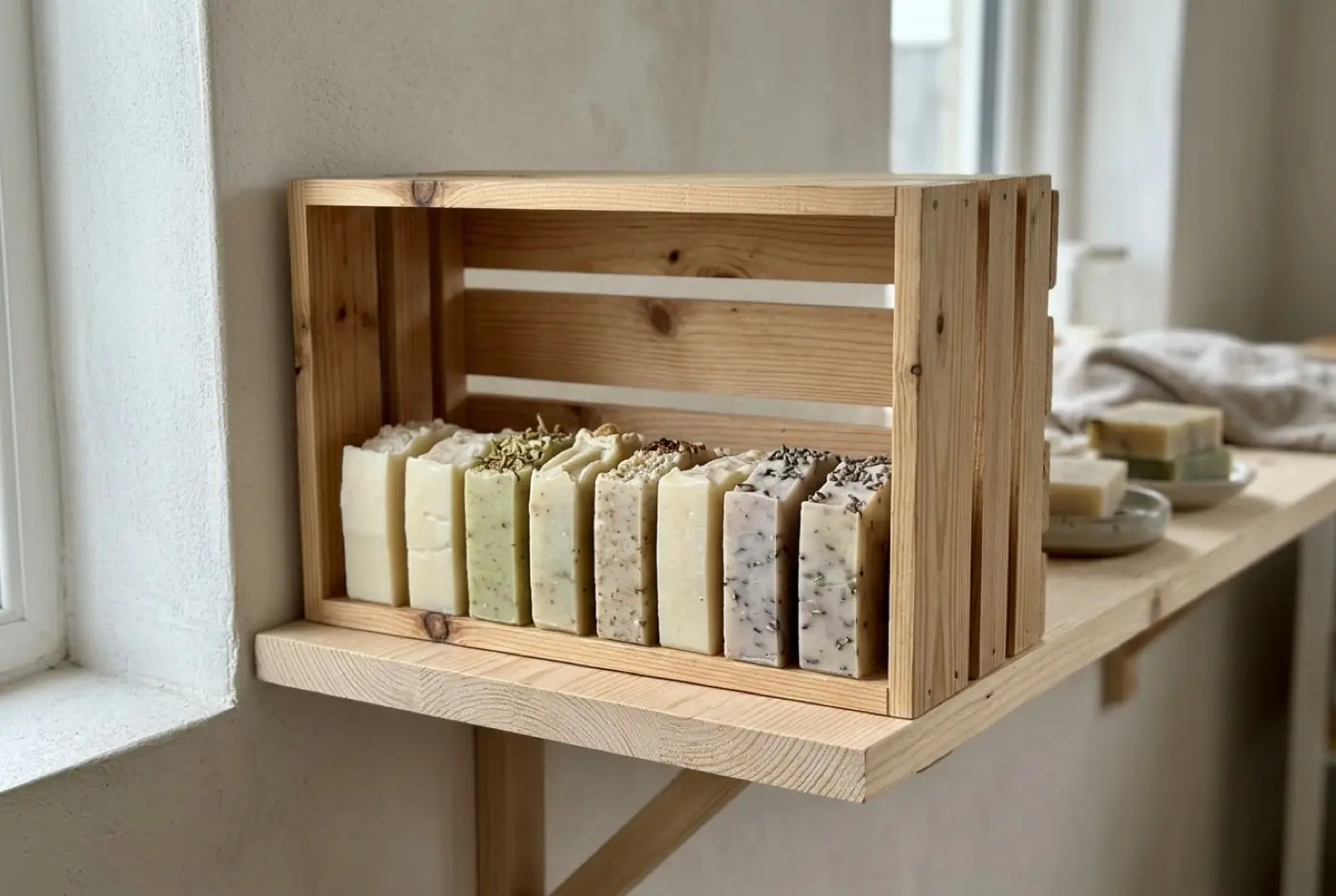
- Cool, dry, dark and ventilated. A closet shelf in a living space beats a damp basement or a hot garage.
- Breathable wrap or boxes. Paper, cardboard or cloth, not airtight plastic, for long-term storage.
- Nothing metal touching the bars. Use wood, coated racks or parchment.
- First in, first out. Label each batch with its date so older bars get used first.
Our guide to storing cured soap has more detail on containers and wrapping.
What to do with bars that have DOS
- A few small spots: trim them off with a knife or vegetable peeler. The rest of the bar is generally fine to use.
- Spots plus a stale smell: the smell tends to stay on the bar. Use it at home, as a laundry or utility bar, rather than gifting or selling.
- Strong rancid smell throughout: discard it, or grate it for laundry if the smell doesn’t bother you. Rebatching won’t remove rancidity.
- Don’t sell spotted bars. Customers notice, and the batch is likely to keep spotting.
Write down the batch’s oils, superfat, curing location and storage in your batch log. Patterns across batches are the fastest way to find your own cause. If the smell rather than the spots is the problem, see soap smells bad.
Common mistakes
- Building recipes around high-linoleic oils because they sound luxurious. Use them as small accents.
- Raising superfat “for mildness” well beyond what the bar needs.
- Relying on vitamin E instead of fresh oils and good storage.
- Curing in the bathroom or basement where humidity is high.
- Storing bars in sealed plastic before they’re cured.
- Using oils from the back of the pantry that were opened a year ago.
Recipes with good shelf-life records
- Castile soap: olive oil, low in linoleic, and a famously long keeper.
- Lard soap and tallow soap: hard, stable fats.
- Goat milk soap: a milk bar with a sensible superfat.
FAQ
What causes dreaded orange spots on soap?
DOS happens when the unsaponified oils left in a bar oxidize and go rancid. High-linoleic and high-linolenic oils, old oils, a high superfat, humidity and contact with metal all make it more likely.
Is soap with orange spots safe to use?
Bars with a few small spots are generally still usable as soap; you can trim the spots off. If the whole bar smells rancid, the smell won't wash out, and it is better used for laundry or discarded.
How long does homemade soap last?
A well-formulated, well-stored cold process bar commonly stays usable for a year or more, often several. Scent and color fade sooner, and bars high in unsaturated oils are more likely to spot or smell off within a year.
Does vitamin E prevent DOS?
Not reliably. Vitamin E (tocopherol) is an antioxidant that can help protect oils, but adding it does not guarantee a bar won't develop DOS. Fresh oils, recipe choices and storage matter more.
Comments
No comments yet. Made this recipe? Be the first to say how it went.