Clay Soap Recipe (Kaolin, Bentonite or Rhassoul)
A smooth cold process bar made with cosmetic clay, with amounts and handling for kaolin, bentonite and rhassoul and how each one changes the batter.
This page has affiliate links. We earn a small commission at no cost to you. Disclosure
Formula not yet verified. These numbers haven't been re-run by a second maker. Don't make this batch until this notice is gone.
- Yield
- 10 bars
- Method
- Cold process
- Difficulty
- Beginner
- Cure
- 6 weeks
- Superfat
- 5%
- Lye conc.
- 33%
On this page
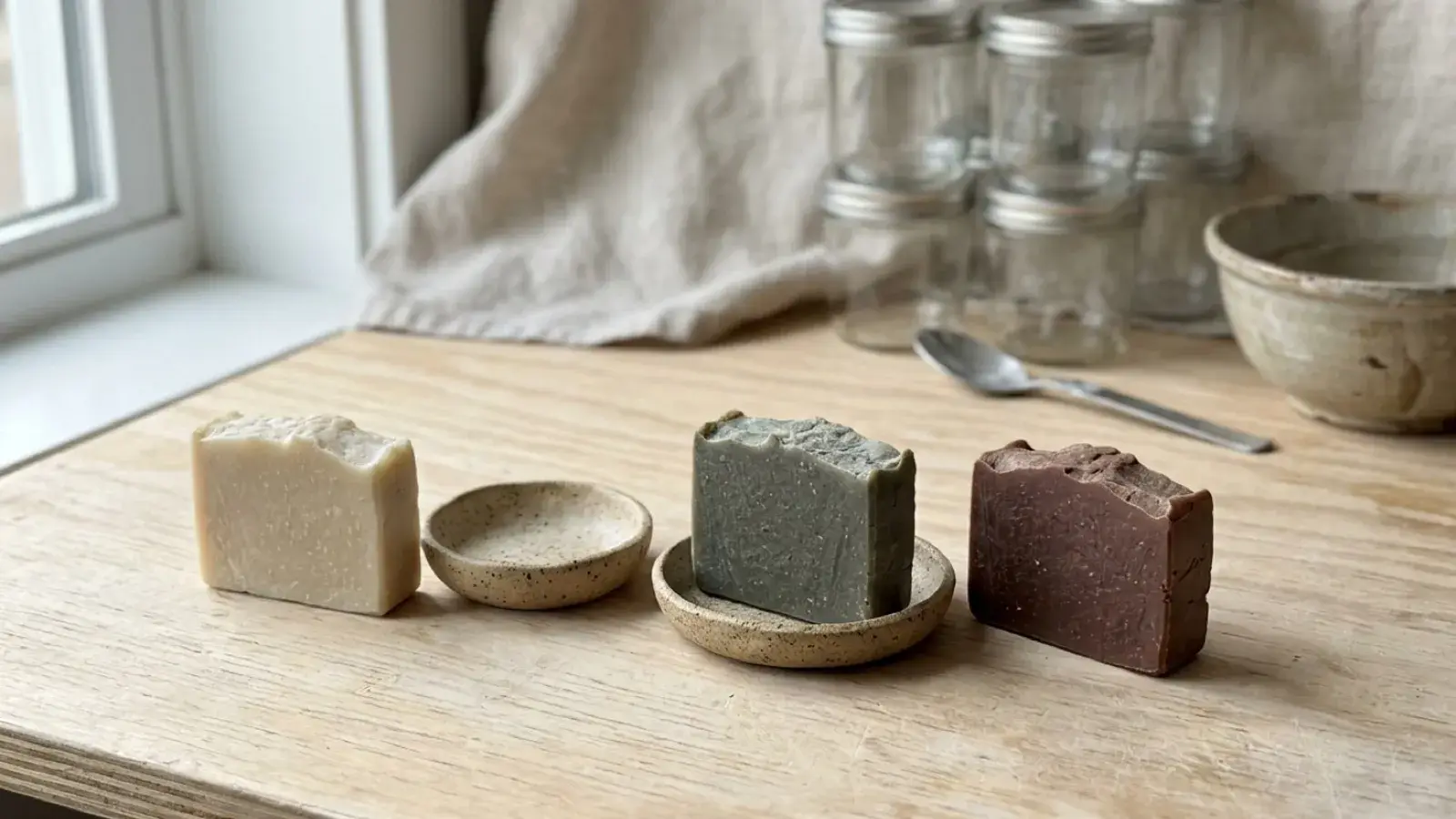
This clay soap recipe adds 10 g of cosmetic clay per 1000 g of oils to a smooth olive and cocoa butter bar, scented with lavender and cedarwood. It works with any of the three clays soapmakers reach for most: kaolin, bentonite and rhassoul. Clay gives the lather a silky, cushioned slip and the bar a soft natural color. The shared technique is simple: hydrate the clay in some of the batch water before it goes in.
The three clays are not interchangeable at the same amount. They differ in color, in how much water they soak up, and in how fast they thicken the batter.
How kaolin, bentonite and rhassoul differ
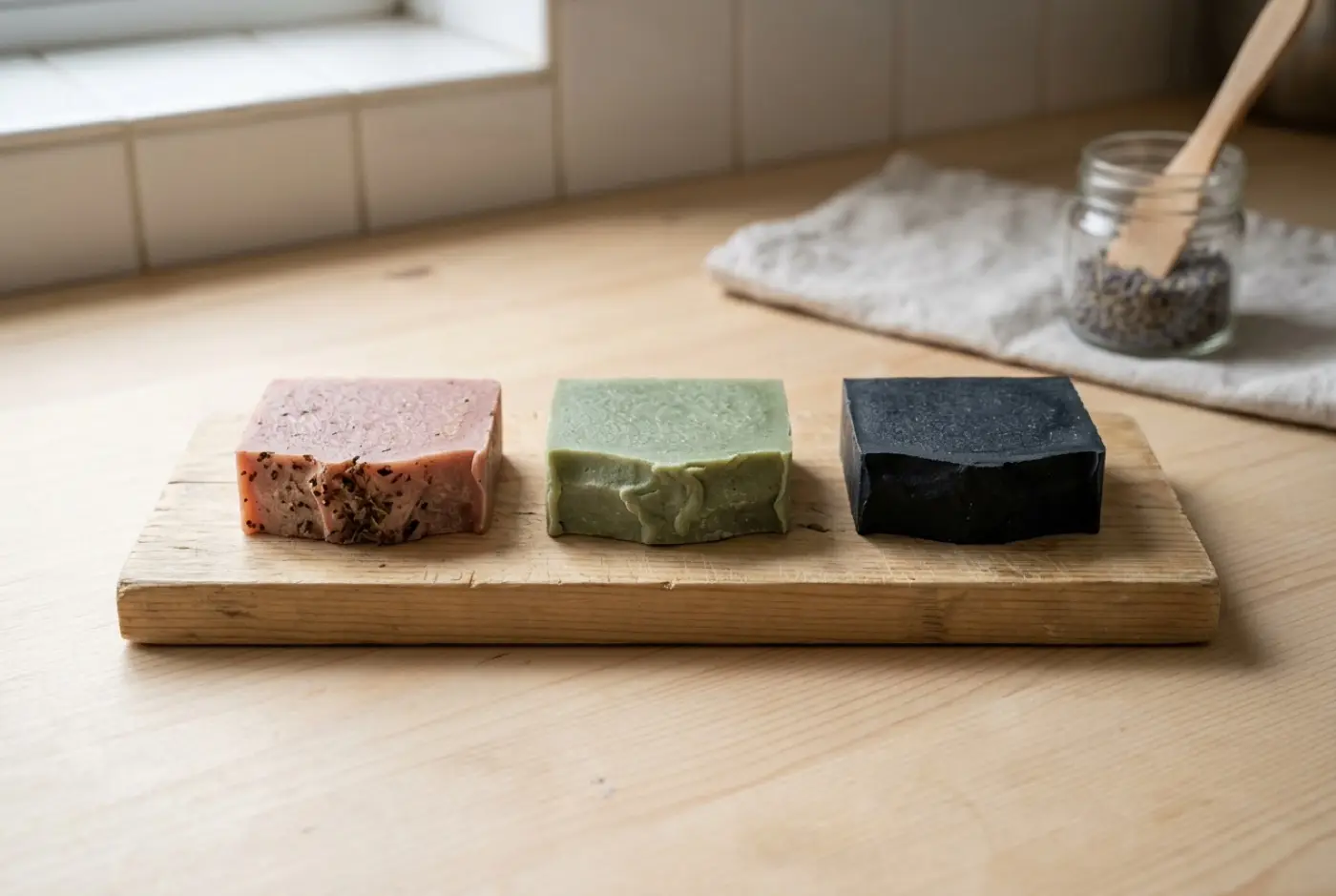
Kaolin (white cosmetic clay) is the gentlest to work with. It barely changes trace speed, keeps the bar white to ivory, and gives a smooth slip. It is the best first clay. Bentonite swells a lot in water. It thickens the batter quickly and can leave a slightly gelatinous slurry, so use half as much and add it at the thinnest trace. Rhassoul is a brown clay that tints the bar tan to cocoa brown and has a creamy slip. It is used at the same rate as kaolin. With any of them, more is not better. Past about 2% the bar can feel draggy and the lather gets thinner.
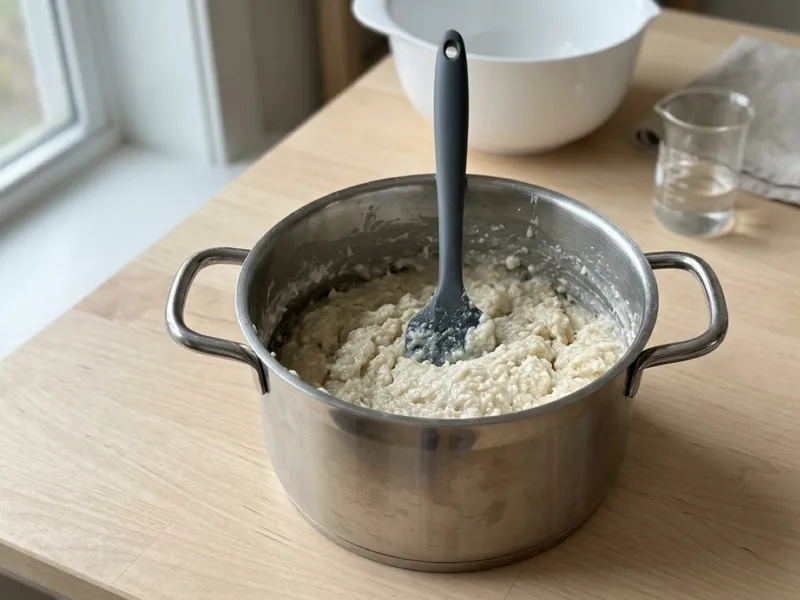
Hydrating the clay in about twice its weight of water, taken from the recipe total, turns it into a smooth slurry that blends in without specks. If you would rather not shift water away from the lye, the clay can be stirred into a little of the warm oil instead.
Why this recipe works
- Olive + high-oleic sunflower, 60%. Slow-tracing liquid oils. Clay, especially bentonite, thickens batter, so the formula starts slow on purpose.
- Coconut, 25%. Lather. Clay adds a creamy slip but can dampen bubbles a little.
- Cocoa butter, 10%. Hardness and a smooth, dense bar.
- Clay, 1%. Enough for a silky slip in the lather and a soft natural color. More than about 2% can make a draggy, slightly drying bar.
Ingredients
| Oil | % | Grams | Ounces |
|---|---|---|---|
| Olive oil | 45% | 450 g | 15.87 oz |
| Coconut oil (76°) | 25% | 250 g | 8.82 oz |
| Sunflower oil (high oleic) | 15% | 150 g | 5.29 oz |
| Cocoa butter | 10% | 100 g | 3.53 oz |
| Castor oil | 5% | 50.0 g | 1.76 oz |
| Lye solution | |||
| Sodium hydroxide (NaOH) 5% superfat | 140 g | 4.92 oz | |
| Distilled water Hold back 2 g of water per gram of clay to hydrate it. | 283 g | 9.99 oz | |
| Additives | |||
| Cosmetic clay (kaolin, bentonite or rhassoul) Kaolin 10–20 g; bentonite 5–10 g; rhassoul 10–20 g. Stir into reserved water to a smooth slurry and add at light trace. | 1% | 10.0 g | 0.35 oz |
| Lavender essential oil 3% of oil weight; add at light trace. | 3% | 30.0 g | 1.06 oz |
| Cedarwood (Atlas) essential oil 1% of oil weight; anchors the lavender. | 1% | 10.0 g | 0.35 oz |
Equipment
Instructions
Step 1: Choose and weigh your clay
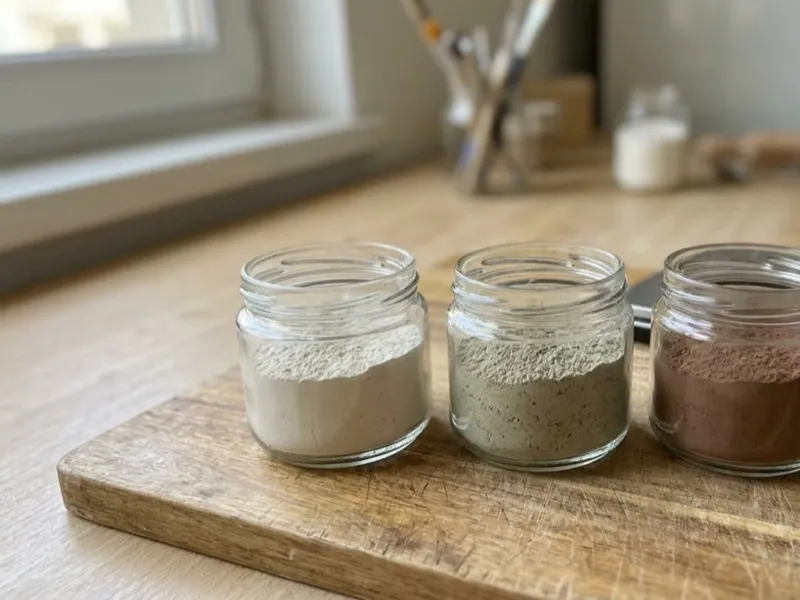
Kaolin is the easiest; use 10–20 g per 1000 g oils for a white to off-white bar. Bentonite absorbs far more water and thickens batter quickly; keep it to 5–10 g. Rhassoul colors the bar tan to brown; use 10–20 g. Pick one for your first batch.
Step 2: Hydrate the clay
Take 2 g of distilled water per gram of clay from your total liquid, so 20 g for 10 g of clay. Stir the clay into it, wait a few minutes, and stir again until smooth like thin yogurt. Bentonite may need a little more water and time; add it from the same total.
Step 3: Make the lye solution with the rest
Put on goggles and gloves. Add the lye to the remaining distilled water, never the reverse, and stir until clear. Holding back water makes the solution slightly stronger, around 35%. Cool it to about 100°F (38°C).
Step 4: Prepare the oils
Melt the coconut oil and cocoa butter, add the olive, sunflower and castor oils, and bring to 95–105°F (35–40°C).
Step 5: Blend to light trace, then add clay and scent
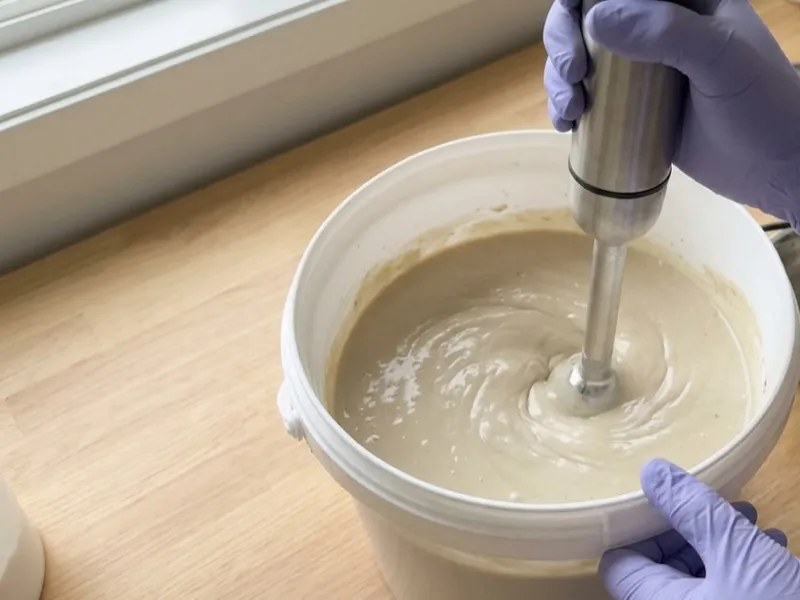
Pour the lye solution into the oils and stick blend to light trace. Add the clay slurry, lavender and cedarwood, stir by hand, then pulse briefly. Watch the thickness: with bentonite, the batter can go from thin to thick in under a minute.
Step 6: Pour and gel
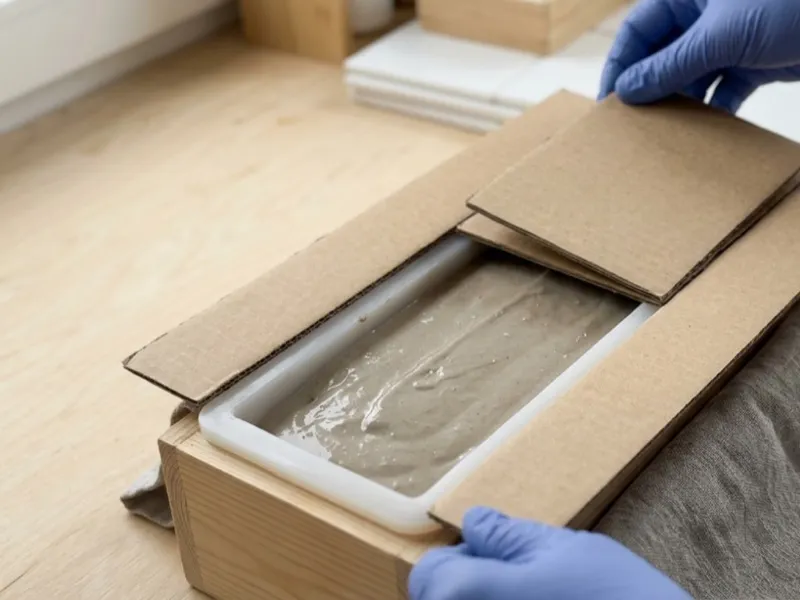
Pour into the mold and cover with cardboard and a towel. Clays do not add heat, and gel gives rhassoul a richer brown.
Step 7: Unmold, cut and cure
Unmold after 24–48 hours and cut. Cure 6 weeks on a rack with airflow, turning weekly.
Variations
Rhassoul swirl
Split the batter, add all the rhassoul to one-third, and pour in layers with a single chopstick swirl for a brown-and-cream bar.
Unscented
Leave out the essential oils. Kaolin bars are a good plain bar for gifting to people who avoid fragrance.
Clay in the oils
If your batch has no water to spare, stir the clay into 15 g of the warm oils instead. It disperses well but does not hydrate, so stay at the low end.
If something goes wrong
- Batter thickened fast
- Bentonite or too much clay accelerated trace. Use less, and add it at the thinnest trace. When soap seizes
- Clay specks or streaks
- Dry clay clumped. Hydrate it into a smooth slurry first.
- Bar feels draggy or tight
- Too much clay. Stay at 1–2% of oil weight.
FAQ
How much clay do I add to soap?
About 1–2% of the oil weight for kaolin or rhassoul (10–20 g per 1000 g of oils), and 0.5–1% for bentonite. Start low.
What is the difference between kaolin, bentonite and rhassoul?
Kaolin is fine and mild in batter and keeps bars light. Bentonite swells a lot in water and speeds trace. Rhassoul is a brown Moroccan clay that colors the bar and adds slip.
Should I add clay to the lye water or the oils?
Either works, but hydrating it in some of the batch water first is the most reliable way to avoid specks. Avoid dumping dry clay straight into the batter.
Is clay in soap just for looks?
Mostly color and feel. Clay tints the bar and gives the lather a smooth, slippery cushion. We do not make skin-benefit claims for it.
Comments
No comments yet. Made this recipe? Be the first to say how it went.