Dog Shampoo Bar Recipe (Unscented Soap for Bath Time)
A plain, unscented soap bar for bathing dogs, with no essential oils and a lather that rinses out of a thick coat.
This page has affiliate links. We earn a small commission at no cost to you. Disclosure
Formula not yet verified. These numbers haven't been re-run by a second maker. Don't make this batch until this notice is gone.
- Yield
- 10 bars
- Method
- Cold process
- Difficulty
- Beginner
- Cure
- 6 weeks
- Superfat
- 5%
- Lye conc.
- 33%
On this page
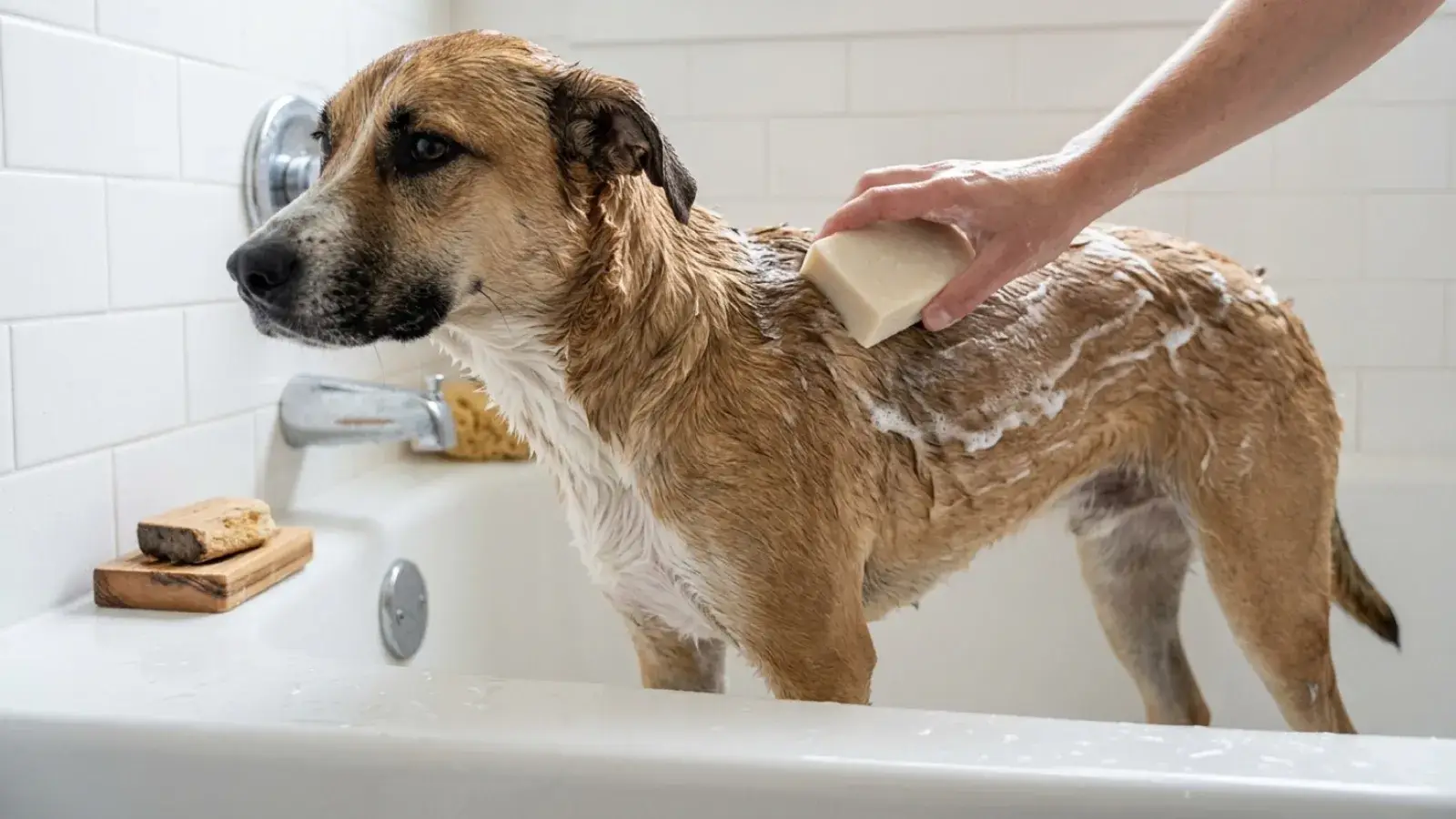
This dog shampoo bar recipe is a plain, unscented cold process soap for bathing your dog: olive, sunflower, coconut, cocoa butter and castor oils, and nothing else. No essential oils, no fragrance, no color. It lathers gently, rinses out of a coat without much fuss, and is cut thick so you can keep hold of it with one hand.
The most important choice here is what’s left out. Several essential oils, tea tree among them, are toxic to dogs, and a dog will lick its coat after every bath. Many “natural” dog soap recipes add them anyway. This one doesn’t, and we’d steer you away from adding any.
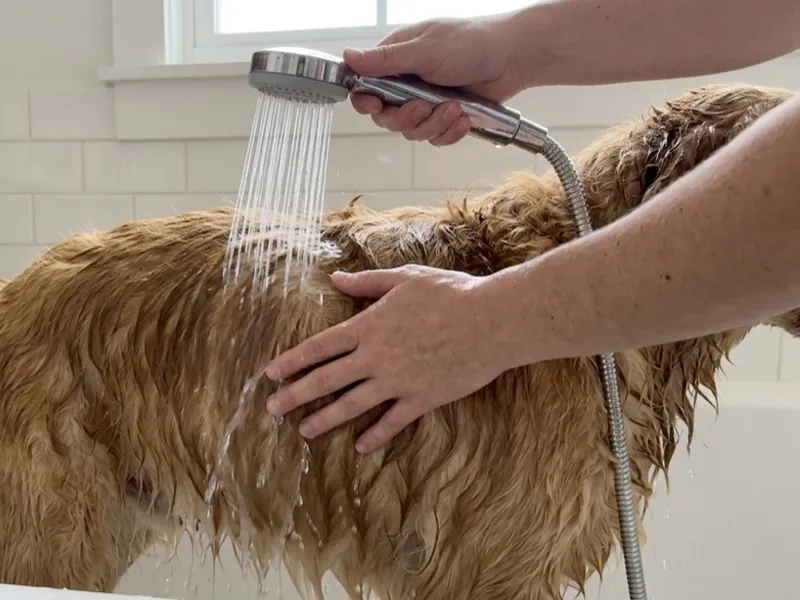
The technique that matters most happens at bath time, not at the soap pot. True soap needs a thorough rinse, especially in a double coat or in hard water. Rinse until the coat stops feeling slick, then rinse again.
A word on skin and coat problems
This is a bar for getting a dog clean, nothing more. If your dog has itchy, flaky or irritated skin, hot spots, or parasites, a vet visit comes before any shampoo. Ask your vet whether a plain soap like this one is fine for your dog, and how often to bathe.
Why this recipe works
- No essential oils or fragrance. Several essential oils, including tea tree, pennyroyal and wintergreen, are toxic to dogs, and dogs lick their coats after a bath. Fragrance oils add nothing the dog needs. The whole bar is left plain.
- Olive and high-oleic sunflower, 55%. A mild base with a gentle, low-bubble lather that is easy to rinse out.
- Coconut, 25%, and castor, 10%. Enough lather to spread through a wet coat without loads of foam that is hard to rinse from fur.
- Cocoa butter, 10%. Hardness, so a bar that gets left in a wet tub doesn't turn to mush. Use deodorized cocoa butter to keep the bar unscented.
Ingredients
| Oil | % | Grams | Ounces |
|---|---|---|---|
| Olive oil | 40% | 400 g | 14.11 oz |
| Coconut oil (76°) | 25% | 250 g | 8.82 oz |
| Sunflower oil (high oleic) | 15% | 150 g | 5.29 oz |
| Cocoa butter | 10% | 100 g | 3.53 oz |
| Castor oil | 10% | 100 g | 3.53 oz |
| Lye solution | |||
| Sodium hydroxide (NaOH) 5% superfat | 139 g | 4.91 oz | |
| Distilled water 33% lye concentration | 283 g | 9.97 oz | |
Equipment
Instructions
Step 1: Make the lye solution
Goggles and gloves on, and keep pets out of the room while you work. Add the lye to the distilled water, never the reverse, and stir until clear. Cool to about 100°F (38°C).
Step 2: Melt the hard oils
Melt the coconut oil and deodorized cocoa butter, then add the olive, sunflower and castor oils. Let the mix cool to 95–105°F (35–41°C). Cocoa butter sets quickly, so don't let the oils get much cooler than that before blending.
Step 3: Blend to light-medium trace
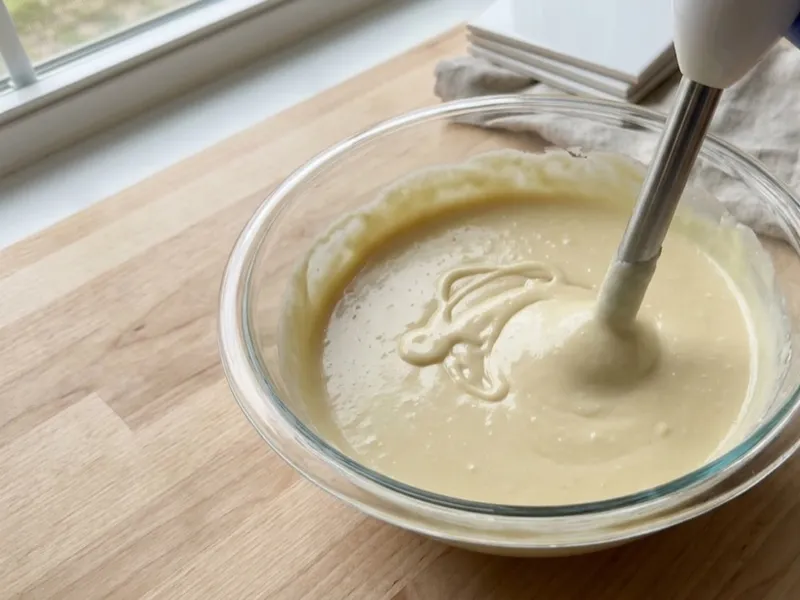
Pour the lye solution into the oils and stick blend in short bursts until the batter looks like thin pudding and a drizzle sits on the surface briefly. No fragrance, no color, nothing to stir in.
Step 4: Pour and insulate lightly
Pour into the loaf mold and tap out air bubbles. Cover with a piece of cardboard and a towel for the first 12 hours to keep it warm, then uncover.
Step 5: Cut thick bars
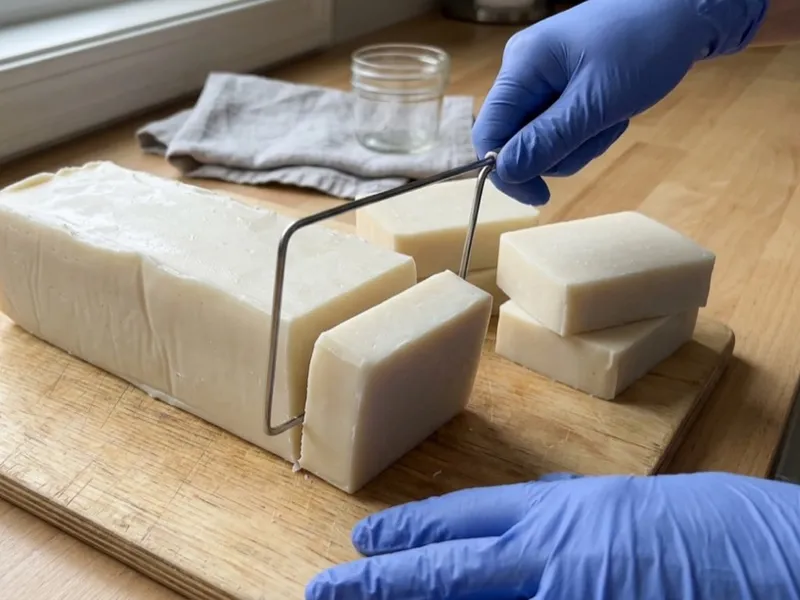
Unmold after 24–48 hours and cut bars about 1.25 in (3 cm) thick. A chunkier bar is easier to hold with soapy hands while you hold on to a wriggling dog.
Step 6: Cure 6 weeks and label
Cure on a rack with airflow for 6 weeks, turning weekly. Label the bars as dog soap and store them where neither dogs nor children can chew them.
Step 7: Bath time
Wet the coat right down to the skin first. Rub the bar along the back and sides, then work the lather in with your hands, keeping it away from the eyes and inside the ears. Rinse until the water runs clear and the coat no longer feels slippery. Thick double coats need longer rinsing than you'd expect.
Variations
Oatmeal
Stir 10 g of finely ground oats per 1000 g oils into the batter at light trace. It adds a slightly creamy feel and a speckled look.
Shea swap
Replace the cocoa butter with shea butter for a slightly softer, creamier bar. Re-run the lye in the calculator, since shea needs less lye than cocoa butter.
Small paw-wash bars
Pour into small cavity molds for a bar that lives by the back door for muddy feet.
If something goes wrong
- Coat feels sticky or dull after the bath
- Soap left in the fur. Rinse longer, especially in thick coats, and in hard water you may need to rinse twice.
- Bar goes soft in the tub
- Store it on a draining dish between baths. Cut bars thicker next time. Soft soap that won't harden
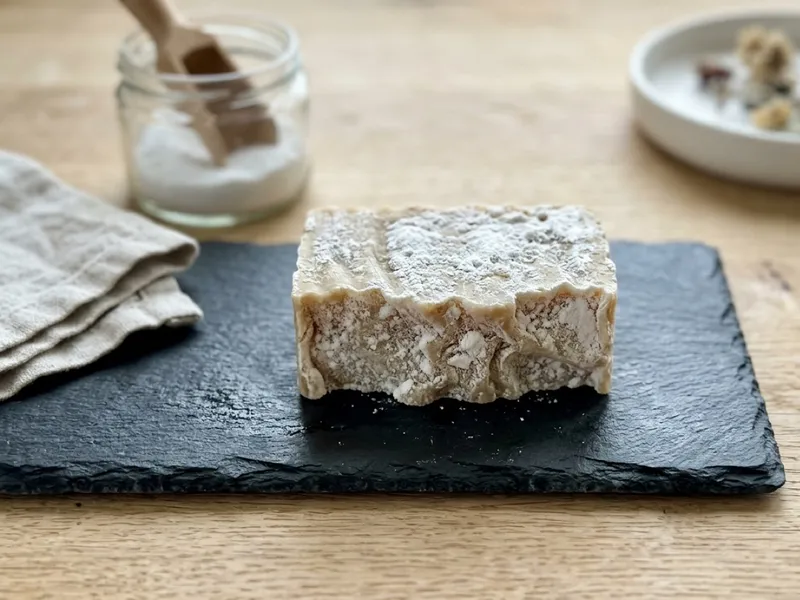
- White powder on the bars
- Soda ash. It is cosmetic and washes off on first use. Soda ash
FAQ
Is it safe to use human soap on dogs?
Many people bathe dogs with plain, unscented true soap without trouble, but dogs' skin differs from ours. If your dog has any skin problem or you're unsure, check with your vet before switching shampoos.
Can I add tea tree oil to dog soap?
No. Tea tree essential oil is toxic to dogs, and they lick their coats after a bath. Leave essential oils out of dog soap entirely.
Will this soap help with fleas or itchy skin?
We make no pest or skin claims for this bar. It is a plain soap for getting a dog clean. For fleas, itching or any skin concern, talk to your vet.
Can I use it on cats?
Cats are even more sensitive to many essential oils and other ingredients. This bar has none, but ask your vet before bathing a cat with homemade soap.
Comments
No comments yet. Made this recipe? Be the first to say how it went.