Homemade Dish Soap Recipe (From-Scratch Liquid Soap)
A coconut-heavy potassium hydroxide liquid soap, cooked to a paste and diluted for the sink.
This page has affiliate links. We earn a small commission at no cost to you. Disclosure
Formula not yet verified. These numbers haven't been re-run by a second maker. Don't make this batch until this notice is gone.
- Yield
- about 2 L diluted
- Method
- Liquid
- Difficulty
- Intermediate
- Cure
- Ready in 1 week
- Superfat
- 1%
- Lye conc.
- 28%
On this page
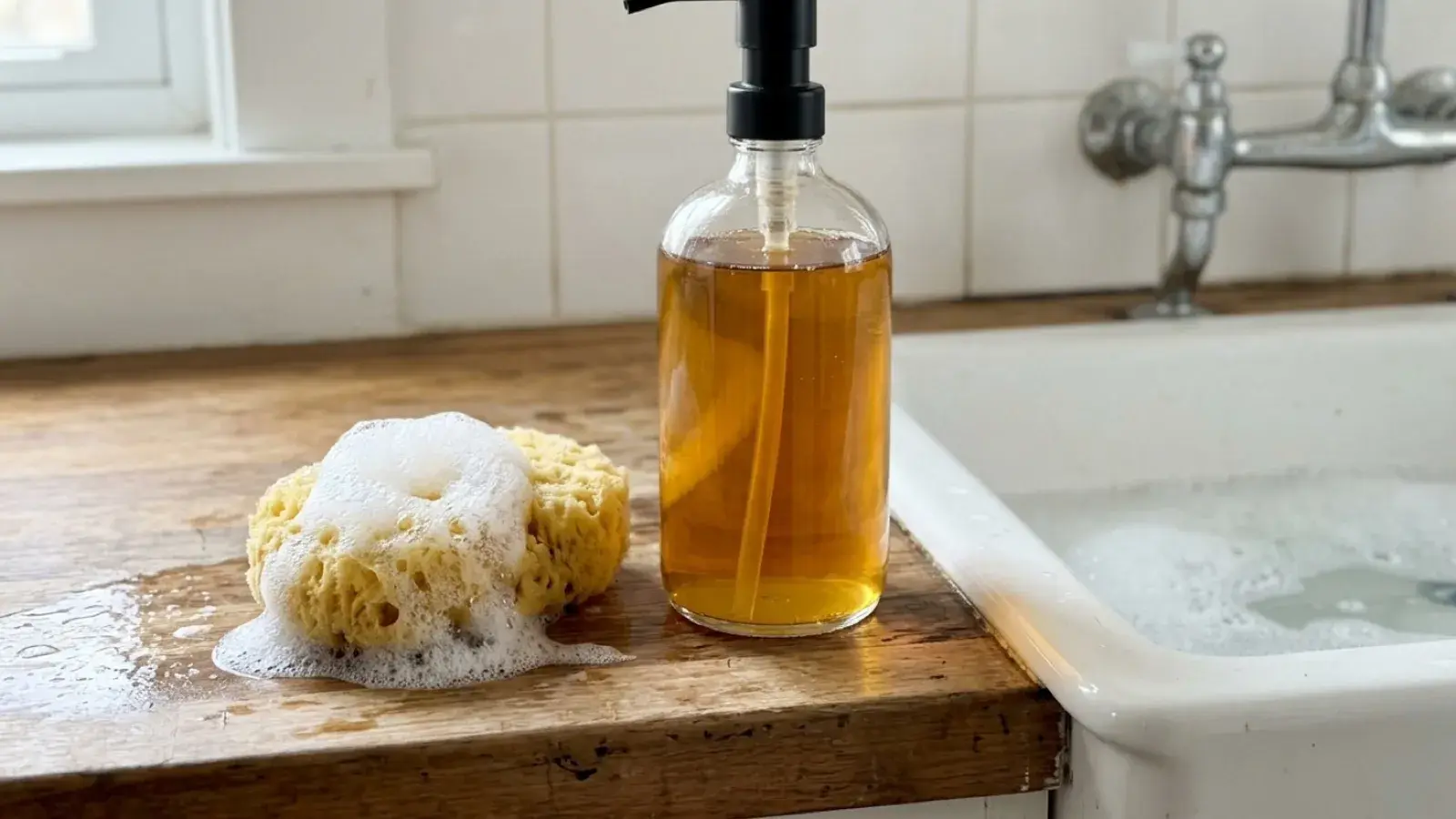
This homemade dish soap recipe is real liquid soap made from scratch: coconut, olive and castor oils cooked with potassium hydroxide into a paste, then diluted into a pourable soap for the sink. It cuts grease well and rinses clean, and it is what people usually mean when they want dish soap without a store bottle in the chain.
Set expectations first. Homemade liquid soap is thinner and makes fewer suds than supermarket dish liquid, which is built on synthetic detergents and thickeners. That isn’t a failed batch. The real skill is in the last step: diluting the paste slowly, by weight, and stopping when it pours the way you want.
The superfat is 1%, so weigh carefully. Leftover oil clouds liquid soap and leaves a film on glasses, so dish soap wants as little as possible.
Why the batch is 500 g
A 1000 g batch of oils makes roughly 4 L of diluted dish soap, which is a lot to store and fills most home slow cookers to the brim while it foams. This recipe defaults to 500 g of oils for about 2 L. Use the scaler in the ingredients table if you want more, and make sure the cooker is no more than half full.
Why this recipe works
- Coconut, 70%. Coconut soap dissolves fast and keeps lathering in warm, greasy water. It also makes a clearer liquid soap than olive-heavy formulas.
- Olive, 20%. Takes a little of the edge off a coconut soap so it is less harsh on hands that spend time in the sink.
- Castor, 10%. Helps the lather last. In liquid soap castor does not cause the stickiness it can in bars.
- 1% superfat, KOH. Potassium hydroxide makes soap that dissolves in water instead of setting hard. A low superfat keeps the diluted soap from going cloudy or separating, and leaves almost no oil on dishes.
Ingredients
| Oil | % | Grams | Ounces |
|---|---|---|---|
| Coconut oil (76°) | 70% | 350 g | 12.35 oz |
| Olive oil | 20% | 100 g | 3.53 oz |
| Castor oil | 10% | 50.0 g | 1.76 oz |
| Lye solution | |||
| Potassium hydroxide (KOH, 90%) 1% superfat | 130 g | 4.57 oz | |
| Distilled water For the paste only; dilution water is added later | 333 g | 11.75 oz | |
Equipment
Instructions
Step 1: Weigh everything and set up the slow cooker
Use a slow cooker reserved for soap. Weigh the oils into it and set it to low so they warm to about 150–160°F (65–71°C). Weigh the potassium hydroxide (KOH) and distilled water into separate containers. The batch here is 500 g of oils; the ingredients table scales if your cooker is larger.
Step 2: Make the KOH solution
Goggles and gloves on, window open. Add the KOH to the water, never the reverse. KOH heats more and fizzes more than sodium hydroxide, so add it slowly in two or three portions and stir until clear. Don't wait for it to cool; liquid soap is mixed hot.
Step 3: Blend until the paste stops separating
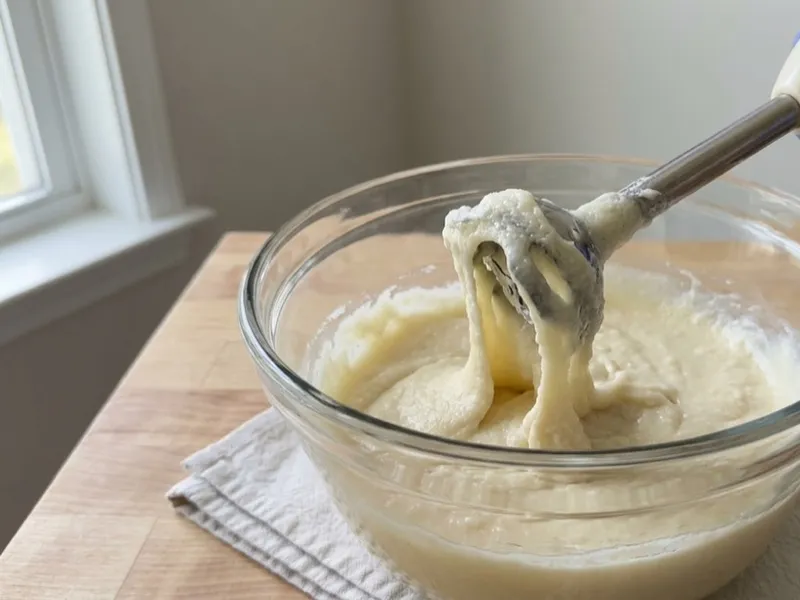
Pour the KOH solution into the warm oils and stick blend in bursts. The batter thickens through trace to something like applesauce, then to a stiff, taffy-like paste that rides up the blender shaft. This can take 5–20 minutes. Stop when blending no longer changes the texture and no oil weeps out.
Step 4: Cook the paste
Cover and cook on low for 2–4 hours, folding the paste every 30 minutes. It goes from opaque and creamy to translucent and gel-like, the color of honey or petroleum jelly. If it foams up toward the lid, stir it down.
Step 5: Do the clarity test
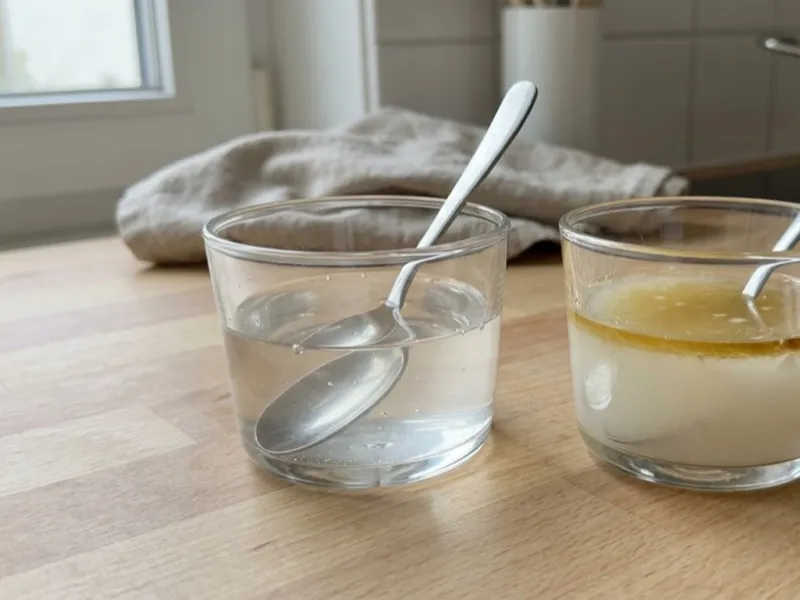
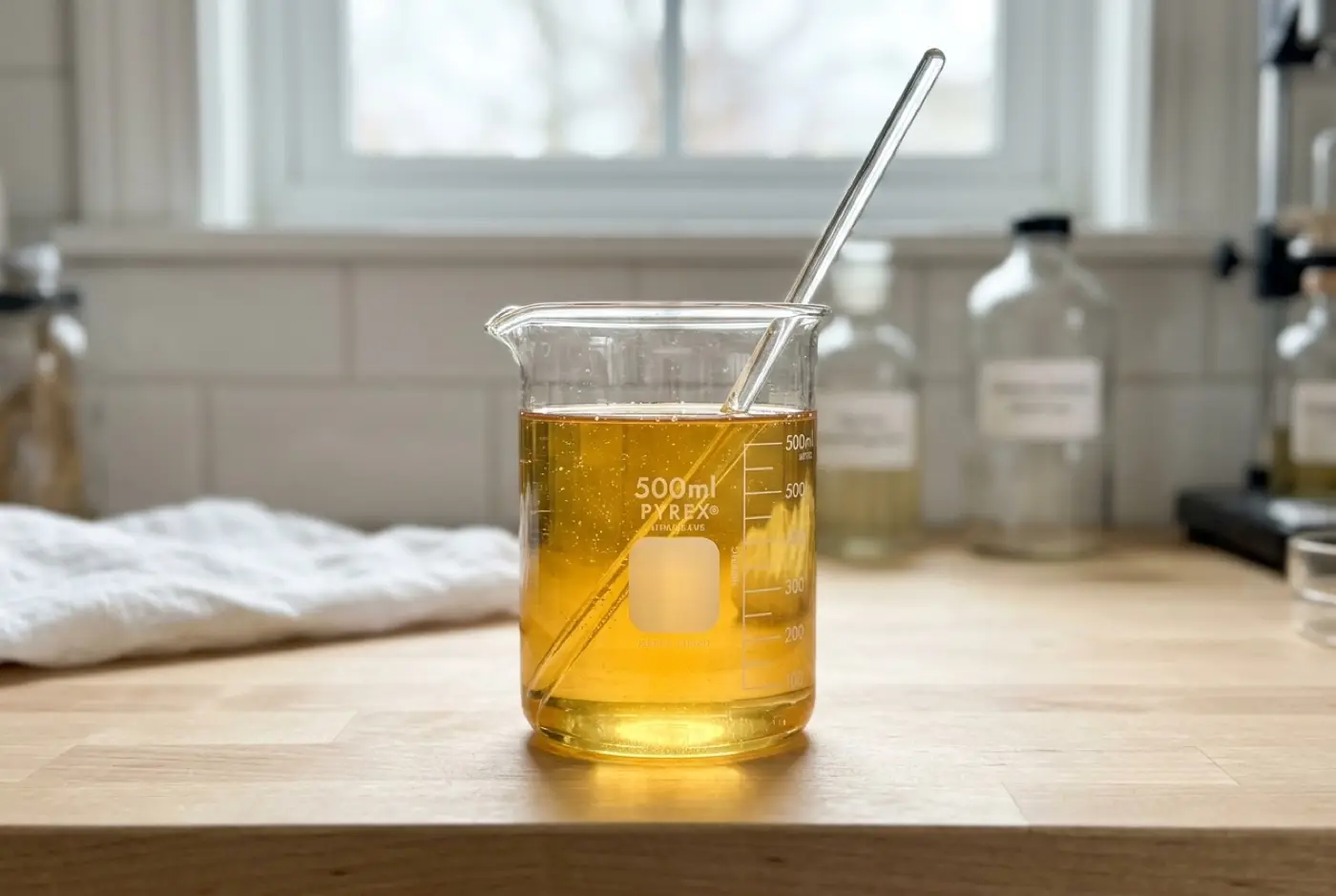
Dissolve about 10 g of paste in 20 g of very hot water and let it sit. Clear or only slightly hazy means it's done. Milky with a layer of oil on top means it needs more cooking; give it another 30–60 minutes and test again.
Step 6: Dilute in stages
Weigh the finished paste. For a coconut-heavy soap like this, start with one part boiling distilled water to one part paste by weight. Cover and leave it overnight; the paste dissolves on its own without stirring. Next day, add more hot water a little at a time until it pours the way you like. Coconut soaps usually take more water than olive soaps.
Step 7: Let it settle, then bottle
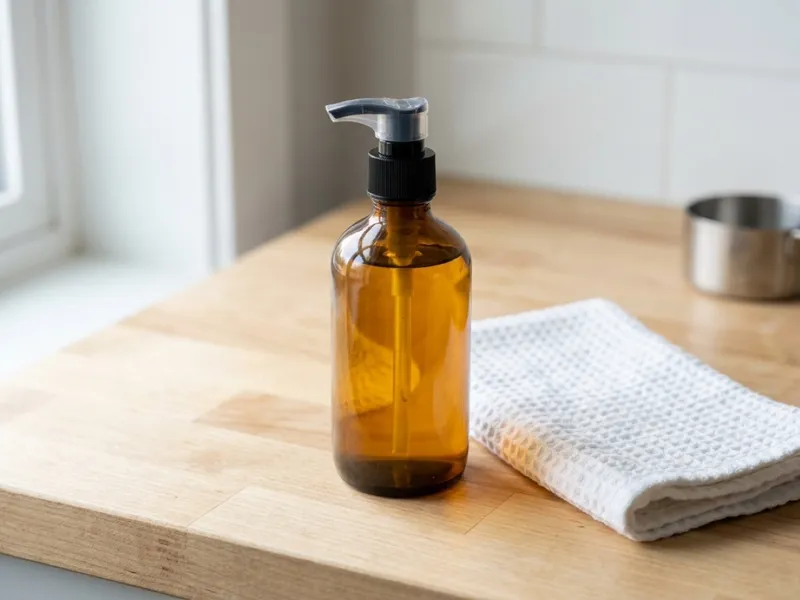
Leave the diluted soap covered for about a week so any cloudiness settles and you can skim or pour off a clear layer. Bottle into pump or squeeze bottles. Label it as dish soap and keep it out of children's reach.
Variations
Thicker soap with salt
Dissolve 1 part table salt in 4 parts hot distilled water. Stir in a few grams at a time. It thickens to a point, then suddenly thins or clouds, so add slowly and stop early.
Lemongrass scent
Stir in lemongrass essential oil after dilution at up to 3% of the original oil weight. Much of the scent dissipates in hot dishwater.
Hand-friendlier
Shift to 60% coconut and 30% olive. It cleans grease a little less aggressively but feels gentler on bare hands. Re-run the KOH in the lye calculator after changing the oils.
If something goes wrong
- Diluted soap is cloudy
- Some haze is normal at first and often settles in a week. Persistent milkiness with oil on top usually means the paste was undercooked or the oils weren't fully saponified. False trace and separation
- Too thin
- Homemade soap has no thickeners. Use the salt solution above, or dilute less next time.
- Paste won't come together
- It may need more blending. Stick blend another 10 minutes before cooking.
FAQ
Why is my homemade dish soap so thin?
Store-bought dish liquids use synthetic surfactants and thickeners. True liquid soap is naturally thin. A small amount of salt solution thickens it somewhat; otherwise use a pump or squeeze bottle and accept a runnier pour.
Can I use homemade dish soap in a dishwasher?
No. True soap foams heavily in a dishwasher and can leak suds onto the floor. Use it for hand washing dishes only.
Why doesn't it make as many suds as regular dish soap?
Suds aren't a measure of cleaning. Soap lathers less in greasy or hard water. Judge it by whether dishes come clean.
Can I use sodium hydroxide instead of potassium hydroxide?
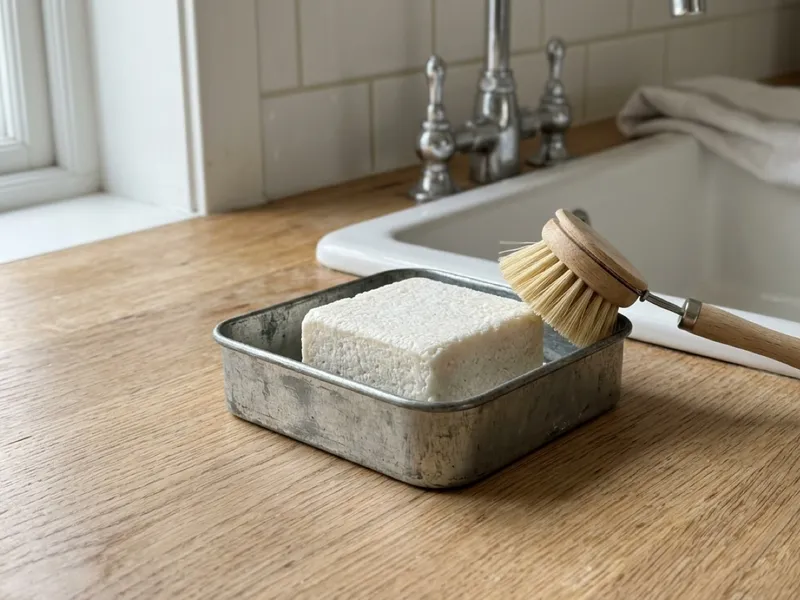
Not for this recipe. Sodium hydroxide makes a hard bar. For a sodium-hydroxide option, see our solid dish soap.
Do I need a slow cooker?
You need a steady low heat for a few hours. A dedicated slow cooker is the easiest; a double boiler works but needs more attention.
Comments
No comments yet. Made this recipe? Be the first to say how it went.